





Chevy Equinox Check Engine Light
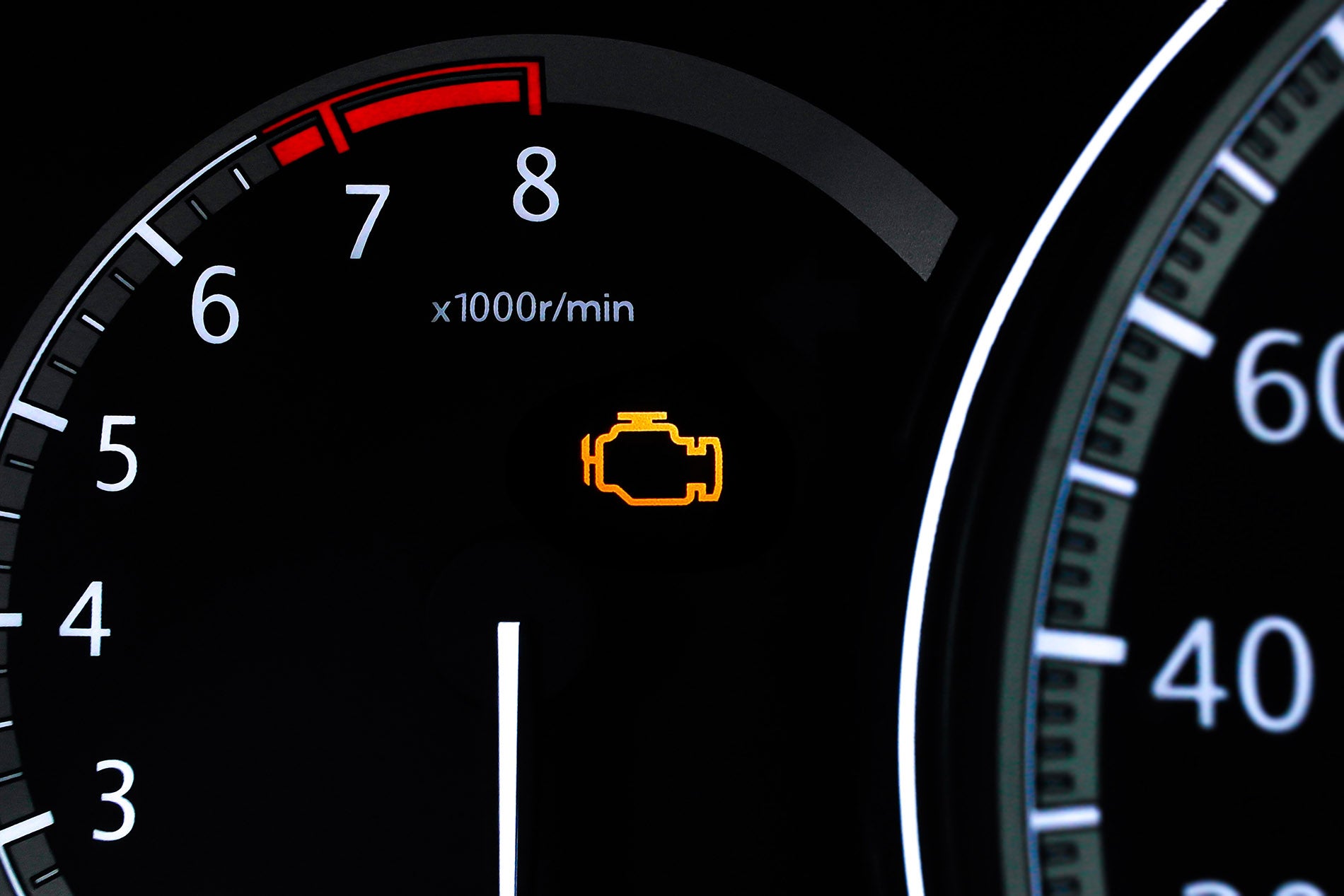
Your Chevy Equinox's check engine light is anxiety-inducing. While it doesn’t always mean something serious, it does deserve your attention.
That glow on your dashboard is your vehicle's way of flagging something that needs a closer look. The longer it goes unaddressed, the more a minor fix can turn into a major repair bill.
At Legacy Chevrolet, we take the guesswork out of it. Our certified technicians help you quickly pinpoint the cause, understand what it means, and get back on the road with confidence.
In this guide, you'll find everything you need to know, including:
- Common reasons your Equinox's check engine light comes on
- What the diagnostic trouble codes actually mean
- How the light gets reset and when that's appropriate
- How to know when it's time to bring it in for service
Whether your light just came on for the first time or it's been nagging you for weeks, you're in the right place.
Why the Check Engine Light May Appear in Your Chevy Equinox
The check engine light doesn't point to one single problem. It's your Equinox's way of flagging anything from a loose gas cap to a more serious mechanical concern. Some causes are simple fixes. Others can affect engine performance, fuel efficiency, and emissions if left unaddressed.
Here are some of the most common culprits:
- Loose or Damaged Gas Cap - It sounds too simple, but a loose or faulty gas cap is one of the most frequent check engine light triggers. When the cap isn't sealing properly, fuel vapors escape the tank, and your Equinox notices. Tighten or replace it, and the light may clear on its own.
- Faulty Oxygen Sensor - Your oxygen sensor monitors the exhaust leaving your engine to help regulate the air-fuel mixture. A failing sensor won't just trip the check engine light; it can quietly lower your fuel economy and increase your emissions.
- Worn Spark Plugs or Ignition Coils - These are the components responsible for igniting the fuel inside your engine. When they wear down, you may notice rough idling, sluggish acceleration, or engine misfiring. Don’t ignore any of these signs.
- Mass Air Flow Sensor Problems - The mass air flow (MAF) sensor measures how much air enters the engine so the system can deliver the right amount of fuel. A malfunctioning MAF sensor can cause noticeable drops in performance and efficiency, and often goes undetected without a diagnostic scan.
- Catalytic Converter Issues - Your catalytic converter plays a key role in reducing harmful emissions from your exhaust. When it starts to fail, it can affect how your Equinox runs and will almost always trigger the check engine light. It's one of the more serious causes on this list, and it needs to be addressed as quickly as possible.
Not sure which of these is behind your check engine light? The only way to know for sure is a professional diagnostic scan. Our team at Legacy Chevrolet can pinpoint the exact cause and walk you through your options.
Flashing vs. Solid Check Engine Lights
Not all check engine lights are created equal. How the light appears on your dashboard is your first clue about how quickly you need to act.
A steady, solid check engine light means your Equinox has detected a fault somewhere in the engine, emissions, or fuel system. The good news is that your vehicle may still drive and feel completely normal. This doesn't mean nothing is wrong, though.
A solid light is your vehicle's way of saying, “Don't ignore this.” There’s no need to pull over immediately, but the longer it goes undiagnosed, the greater the chance it can turn into something major. Schedule a diagnostic inspection soon, so you can fix the issue before it grows.
A flashing check engine light demands immediate attention.
A blinking light is most commonly associated with an active engine misfire, meaning fuel isn't igniting properly inside the cylinder. That unburned fuel gets pushed into the exhaust system, where it can overheat and damage your catalytic converter, a repair that's far more expensive than whatever triggered the misfire in the first place.
If your check engine light starts flashing:
- Ease off the accelerator and reduce your speed
- Avoid aggressive acceleration or towing
- Get your Equinox inspected as soon as possible
Common Chevy Equinox Check Engine Light Codes
Your Chevy Equinox is constantly monitoring itself. Under the hood, an onboard diagnostic system—known as OBD-II—tracks hundreds of performance parameters in real time. When something falls outside the normal range, the system logs a diagnostic trouble code (DTC) and activates the check engine light.
These codes are the starting point for any diagnosis. Here's a look at some of the most common diagnostic trouble codes associated with the Chevy Equinox check engine light:
- P0171 — System Too Lean: This code means the engine is taking in too much air relative to the amount of fuel it's receiving. Common culprits include vacuum leaks, a failing mass air flow sensor, or a fuel delivery issue. If left unaddressed, it can cause long-term wear.
- P0300 — Random or Multiple Cylinder Misfire Detected: A P0300 code signals that one or more cylinders aren't firing correctly. Worn spark plugs, failing ignition coils, and fuel injector problems are frequent causes. This is also one of the codes most likely to produce a flashing check engine light rather than a steady one.
- P0420 — Catalyst System Efficiency Below Threshold: This code often indicates a deteriorating catalytic converter, though a faulty oxygen sensor can also trigger it. Because the two share symptoms, accurate diagnosis matters. Replacing the wrong part won't make this code go away.
- P0442 / P0455 — EVAP System Leak Detected: These codes indicate a leak somewhere in the evaporative emissions system, which prevents fuel vapors from escaping into the atmosphere. The fix can be as straightforward as a loose gas cap, or it may require a more thorough inspection of the system's hoses and valves.
These are just a handful of the common diagnostic trouble codes that can trigger a Chevy Equinox check engine light. And while a code gives you a direction, it doesn't always give you the complete picture. Two vehicles with the same code can have very different root causes, which is why a professional diagnostic inspection is the only way to know what repair is actually needed.
How to Reset a Chevy Equinox Check Engine Light
Already found and fixed the issue? Here's what you need to know about getting that light to turn off.
It's important to understand that resetting the check engine light without addressing the underlying cause will only cause it to come back. But if the repair has been made, here are three ways the system can be reset:
This is the most reliable method. An OBD-II scanner connects to the diagnostic port beneath your dashboard, reads any stored trouble codes, and allows you to clear them directly. Scanners are available at most auto parts stores, and many will loan one out for free. Follow the device's instructions to clear the code and reset the light.
In many cases, once the underlying issue has been resolved, the check engine light will turn itself off after several completed drive cycles. No tools required, just time behind the wheel. This is often the simplest course of action after a repair.
Disconnecting the negative battery cable for a few minutes can reset the system on some Equinox models. It's the lowest-tech option on this list, but it doesn't always clear every stored code, and it can reset other vehicle settings in the process. This is often a last resort rather than a first move.
Not comfortable handling the reset yourself, or not entirely sure the root issue has been resolved? Stop by Legacy Chevrolet in Greenwood, SC. We'll scan your Equinox, confirm the repair is complete, and make sure your system is cleared and running clean.
FAQs
Some check engine light issues won't immediately affect performance. Sensor, emissions, or fuel system problems can trigger the warning even when your Equinox seems to drive normally.
Yes. A loose or damaged gas cap can allow fuel vapors to escape, triggering the check engine light.
A flashing check engine light often indicates an engine misfire or another serious issue that should be inspected as soon as possible.
If the underlying issue has been corrected, the light may turn off automatically after several drive cycles. If the problem has not been addressed, the light will not turn off on its own.
The cost of Chevy check engine light service can vary depending on the issue and the diagnostic testing required. Contact Legacy Chevrolet for current pricing.
In some cases, yes. Low oil levels can affect engine performance and may trigger a check engine light.
Schedule Chevy Equinox Service at Legacy Chevrolet
A professional diagnostic inspection can help determine exactly why your Chevy Equinox's check engine light has turned on. At Legacy Chevrolet, our technicians use advanced diagnostic equipment to identify the issue and recommend any necessary Chevrolet repairs.
Schedule a service appointment today and let our team help keep your Equinox performing at its best. Be sure to reach out with any service questions!